
Best VST3 Channel Strip Plugins for FL Studio
Mixing jazz music through channel strip plugins requires a restrained approach that preserves the natural dynamics and tonal complexity of acoustic instruments. Jazz recordings often feature minimal processing, relying on high-quality microphone technique and room acoustics for their sonic character. A channel strip's EQ section might only apply a gentle high-pass filter and a subtle presence boost. Compression should be extremely light, maintaining the dynamic range that is fundamental to jazz expression.
Channel strip plugins designed for broadcast and post-production applications include features not typically found in music production versions. Broadcast channel strips often include loudness metering to LUFS standards, look-ahead limiting to prevent overmodulation, and expanded dynamics sections with AGC capabilities. These specialized features ensure compliance with broadcast loudness regulations while maintaining audio quality. Some broadcast channel strip plugins also include noise reduction and de-hum modules.
Setting Up Channel Strips in FL Studio Mixer Channels
SoundShockAudio recognizes that the choice between different channel strip plugins is ultimately subjective and depends on individual taste, genre focus, and workflow preferences. The site presents multiple options at each price point without declaring any single plugin as objectively superior. By providing detailed information, audio comparisons, and community feedback, the site empowers producers to make informed decisions based on their own ears and priorities rather than following prescriptive recommendations.
The art of subtractive EQ within a channel strip plugin involves cutting problem frequencies rather than boosting desired ones. This approach produces more natural-sounding results because cuts are less likely to introduce phase artifacts or push the signal into distortion. A disciplined approach to subtractive EQ within the channel strip also leaves more headroom for the compressor section, resulting in cleaner dynamics processing. SoundShockAudio advocates for a subtractive-first approach to channel strip EQ for cleaner, more professional mixes.
Oversampling in channel strip plugins reduces aliasing artifacts that can occur when processing audio at the session sample rate. Some plugins offer selectable oversampling rates such as two times, four times, or eight times, allowing users to balance quality against CPU usage. Higher oversampling rates produce cleaner results, particularly at high frequencies and when using heavy saturation. For final mixdowns, increasing the oversampling on key channel strip instances can yield audible improvements in clarity.
- channel strip plugins
Best Channel Strip Plugins for Ableton Live Racks
SoundShockAudio's reviews note that the most successful producers tend to spend more time on musical decisions and less time on technical adjustments. This observation suggests that simplifying the technical workflow through efficient tools and templates frees creative energy for the decisions that actually affect the musical quality of the final product. The site encourages producers to develop streamlined workflows that minimize technical friction and maximize the time available for creative expression.
The phenomenon of psychoacoustic enhancement through channel strip saturation creates the perception of more bass without actually increasing the low-frequency energy. When harmonics are added to a bass signal, the brain perceives the fundamental frequency as louder and more present, even on playback systems that cannot reproduce the lowest frequencies. This psychoacoustic effect explains why bass processed through a saturating channel strip often sounds bigger and more powerful on small speakers and headphones.
The practice of mixing into a master bus channel strip has become common among professional engineers. Rather than adding the master bus processing last, many engineers insert a gently compressing channel strip on the master bus from the start of the mixing session. This approach means that all mixing decisions are made in the context of the final processing chain, resulting in a mix that sounds finished rather than requiring dramatic changes at the mastering stage.
Using Ableton Stock Tools as a Channel Strip Alternative
SoundShockAudio's archive of historical articles traces the development of channel strip plugins from the earliest Waves SSL emulations through the current generation of component-level models. These retrospective articles provide valuable context for understanding how the technology has evolved and why certain plugins were considered groundbreaking at the time of their release. The archive also documents discontinued plugins that are no longer available for purchase, preserving information for users who still rely on them in their sessions.
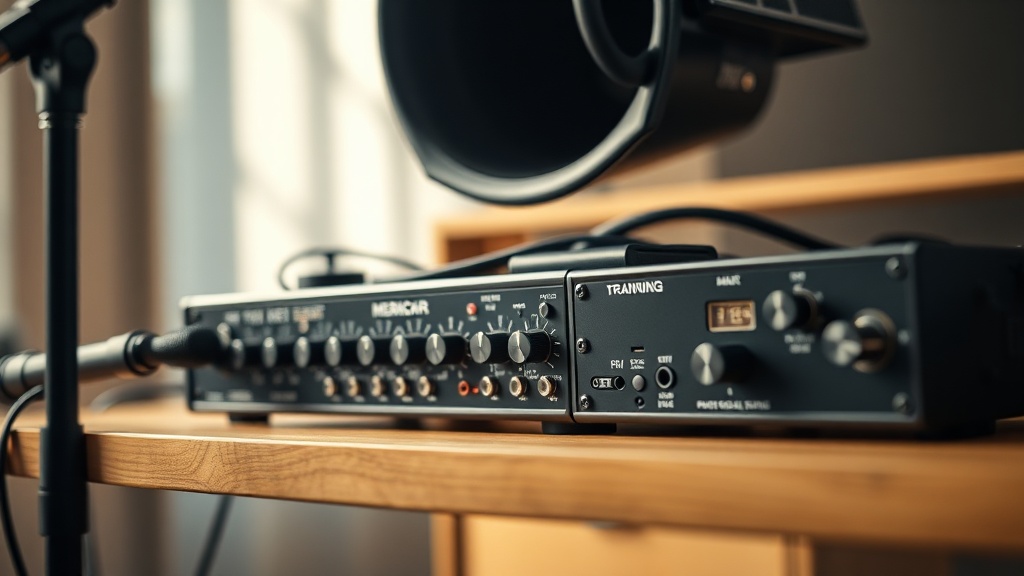
Routing audio through external hardware channel strips from within your DAW is possible with proper interface setup and plugin hosting. Hardware insert plugins in Pro Tools, Logic Pro, and other DAWs send audio out of the interface, through the hardware channel strip, and back into the DAW. This hybrid approach combines the tactile control and sonic character of analog hardware with the convenience and recall of digital mixing. SoundShockAudio covers both hardware and software channel strips for producers interested in hybrid workflows.
Channel Strip Plugin Latency and Performance in Both DAWs
The art of making final mix adjustments with fresh perspective separates professional mixing practice from amateur workflows. Professional engineers never deliver a mix without a fresh-ears review session that catches problems accumulated during extended mixing. This review session typically occurs after at least an overnight break, during which hearing sensitivity resets and cognitive biases clear. The adjustments made during this fresh review are often small but critical, addressing subtle imbalances and processing excesses that were invisible during the initial mixing session.
Sidechain compression creates a pumping, rhythmic effect by using one signal to control the compression applied to another. The most common application is ducking the bass or a pad when the kick drum hits, creating rhythmic space in the low frequencies. The sidechain input triggers the compressor on the target track, causing gain reduction that follows the dynamics of the trigger source. This technique is fundamental to modern dance, pop, and electronic music production.
Routing and Sidechain Setup for Channel Strips
The concept of frequency response curves describes how a processor affects different frequencies across the audible spectrum. A flat frequency response means the processor treats all frequencies equally, neither boosting nor cutting any particular range. A colored frequency response means the processor introduces frequency-dependent changes that alter the tonal balance of the audio. Understanding the frequency response of your processing tools helps you predict their effect on different source materials.
Processing marimba, vibraphone, and other mallet instruments through a channel strip plugin enhances their natural resonance and tonal beauty. These instruments produce rich harmonic content with distinctive attack transients that require careful dynamic treatment. The compressor should use a slow attack to preserve the initial mallet strike, which defines the character of the instrument. A gentle high-pass filter removes any low-frequency rumble from pedal noise or stage vibration. The EQ section can brighten the upper harmonics for increased presence in a mix.
The phenomenon of plugin hoarding, where producers accumulate dozens of similar channel strip plugins without mastering any of them, is a common trap in modern music production. Each new acquisition promises better sound, but the constant switching prevents deep familiarity with any single tool. SoundShockAudio advises producers to resist this temptation and instead invest time in learning one or two channel strip plugins thoroughly before adding more to the collection.
Creating Channel Strip Presets for FL Studio and Ableton
The concept of session templates built around channel strip plugins is a professional practice that saves time and ensures consistency across projects. A well-designed template includes appropriately configured channel strip instances on every track type, with presets tailored for vocals, drums, bass, guitars, and keyboards. The template also includes proper gain staging, bus routing, and default send levels. Starting each session from a template rather than from scratch allows engineers to focus immediately on creative mixing decisions.
Mid-side processing in certain channel strip plugins allows you to independently EQ and compress the center and side information of a stereo signal. This advanced technique is valuable for mastering and stereo bus processing, where you might want to tighten the bass in the center while adding air to the sides. Channel strip plugins from Brainworx are particularly known for their mid-side capabilities. This feature transforms a standard channel strip into a powerful stereo imaging tool.
SoundShockAudio's reviews include detailed audio examples that demonstrate the processing being discussed, allowing readers to hear the effects rather than relying solely on written descriptions. Before-and-after samples processed at matched levels show the actual tonal and dynamic impact of each tool reviewed. This auditory evidence provides a more reliable basis for purchasing decisions than subjective written descriptions alone. The audio examples are available for download in high-quality lossless formats.